How to Keep Your Friendships in Your 30s

No one really prepares you for how drastically your social life changes once you hit your 30s. I realized this at 31, when I looked back at how different my friendships felt compared to just a few years ago. In my 20s, life revolved around dinners with friends, weekend getaways, and late nights in the malls. But slowly, the circle began to shift. Some friends got married (myself included), others moved away, and many became consumed by work or family. A few had children, and their lives naturally settled into a different rhythm.

At first, it was a transition. How could people I had shared so much of my life with suddenly become unavailable? But as I sat with it, I realized it was not a rejection of our bond. It was simply life unfolding. Priorities shifted, responsibilities grew heavier, and friendships that once had all the time in the world had to fight for space alongside careers, families, and personal well-being.

The truth is, friendship in your 30s requires a recalibration. You cannot expect the same frequency of meetups or the same spontaneity you had when you were younger. What you can cultivate instead is quality. Think moments of connection that feel present and intentional. A long brunch every few months, a heartfelt conversation over kopi after work, or even a voice note that says, “I’m thinking of you.” These smaller, thoughtful gestures often mean more than constant chatter.

I also discovered that no single friend can meet every need. In my 20s, I leaned heavily on a few close friendships for everything from laughter to advice as well as from nights out to deep talks. But in my 30s, I learned to diversify. I think of it as building a personal board of directors for my social life. Some friends are the ones I call for career advice. Others are great for a badminton match on the weekend. A few are there for long conversations about family, relationships, or dreams. Spreading this out makes each friendship lighter, healthier, and more sustainable.

Image Credits: unsplash.com

Of course, friendships evolve. A friend with children may not be able to join in late-night suppers anymore, but perhaps you can visit their home and spend time with the family. A friend who is between jobs may not be keen on expensive dinners, but you can invite them over for home-cooked meals. Being flexible, patient, and willing to adapt keeps the friendship alive even when lifestyles no longer align perfectly.

I also found that integrating friendships into your lifestyle is key. It is much easier to maintain bonds when they are built into your routines. Joining a regular fitness class, participating in a community group, or attending cultural events provides natural opportunities to see familiar faces and form deeper connections over time. That could mean joining a running club along the Marina Bay stretch, signing up for pottery workshops, or simply becoming a regular at your favorite hawker stall where the conversations eventually go beyond small talk.

Image Credits: unsplash.com

And sometimes, it is about embracing new forms of connection. A short video call, a late-night text, or sending a funny link can keep the thread alive. The medium matters less than the intent. What counts is showing up, even in small ways, and letting your friends know you are still invested in their lives.

Keeping friendships in your 30s takes more effort, but the rewards run deeper. You realize that the people who want to be in your life will make the time, just as you will for them. What once revolved around convenience now rests on choice. And that makes every coffee, every conversation, and every shared moment feel all the more valuable.

Read More...

Vaping Under Fire as Stricter Rules Take Hold

At first glance, vaping appears modern and fashionable. With candy-colored casings and flavors such as mango ice and cotton candy, e-cigarettes have quietly spread among Singapore’s youth. Yet behind this playful image lies a growing health crisis, one serious enough for Prime Minister Lawrence Wong to announce stricter vaping rules during his 2025 National Day Rally speech.

“Many of these vapes are laced with addictive and harmful substances like etomidate,” he cautioned. “Right now it is etomidate. In the future, it could be something worse, stronger, or far more dangerous.”

For a country long known for its uncompromising stance on tobacco, Singapore’s move against vaping marks a significant new phase in the battle against harmful addictions. The Government has made it clear that fines alone, previously capped at S$2,000, are no longer sufficient. Vaping will now be treated as a drug issue, supported by tougher penalties, rehabilitation programs, and a nationwide education drive.

Health experts warn that e-vaporizers release aerosols containing fine particles, cancer-causing chemicals such as formaldehyde and benzene, and toxic metals including tin, lead, and nickel. Nicotine, the main addictive substance, not only fosters dependence but also speeds up heart rate, raises blood pressure, and in younger people disrupts brain development in ways that affect learning, focus, and emotional regulation.

What alarms medical authorities most is the spread of Kpods, vapes secretly infused with etomidate, a sedative intended only for controlled medical use. When inhaled, etomidate bypasses the body’s natural defenses and enters the bloodstream directly. The consequences can range from spasms and breathing problems to seizures and psychosis. Because users are often unaware of what they are inhaling, these vapes pose risks far greater than cigarettes. Unlike tobacco or alcohol, vaping devices can be easily altered, refilled, and spiked with substances far more dangerous than nicotine.

To address the threat, the Ministry of Home Affairs and the Ministry of Health have launched a coordinated campaign that goes beyond enforcement. The Health Sciences Authority will work closely with officers on the ground, and more than 800 Singaporeans have applied to join the newly created anti-vape task force. The strategy mirrors Singapore’s earlier crackdowns on glue sniffing in the 1990s and chewing gum smuggling in the 2000s, treating vaping not as a passing trend but as a national threat that requires collective action.

The most crucial front line, however, lies in schools and campuses. The Government’s education program will target secondary schools, polytechnics, universities, and even National Service, ensuring young people are warned before habits form. “Today’s anti-vaping campaign must be as visible as yesterday’s anti-smoking efforts,” said Vikram Nair, Chairman of the Government Parliamentary Committee for Home Affairs and Law. “When I was a student, we all knew about glue sniffing because of the campaigns. This generation must see vaping in the same way.”

Still, the response will not rely solely on punishment. Those found addicted to vaping will be placed in supervised rehabilitation, while voluntary quitters will not face legal consequences if they seek support through programs such as the Health Promotion Board’s I Quit. This creates a two-pronged approach: disrupting supply chains to deter traffickers while offering users a path to recovery before their dependence becomes long term.

Image Credits: unsplash.com

What is certain is that the fight is only beginning. Battle lines are emerging in schools, shopping malls, airports, and the online spaces where vapes are promoted. As Prime Minister Wong made clear, this is not just about stopping a fad but about protecting an entire generation. The haze of vaping may seem harmless, but Singapore is determined to clear the air one crackdown at a time.

Read More...

Inside SG’s Next-Gen Oceanarium Experience

Formerly known as the S.E.A. Aquarium, the beloved underwater destination has undergone a bold transformation, emerging as the Singapore Oceanarium. More than just a name change, this is a sweeping reimagination of scale and vision.

Located at Resorts World Sentosa, the Singapore Oceanarium offers far more than a dazzling display of marine biodiversity. It presents itself as a global leader in ocean education, research, and conservation. Visitors are no longer simply spectators. They are invited to engage with a powerful narrative that connects humanity to the delicate balance of marine ecosystems.

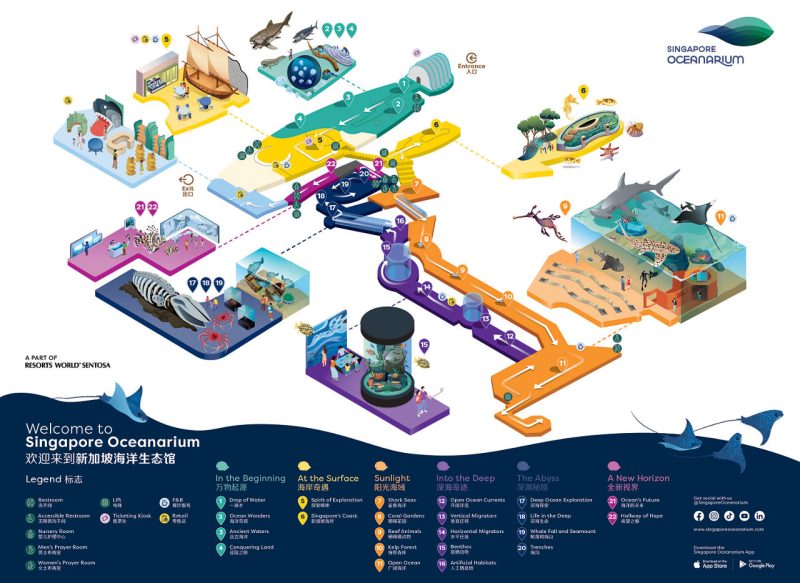
Inside, the Oceanarium showcases immersive zones that guide guests through different realms and time periods of the ocean. The redesigned layout feels more expansive and fluid, replacing the dense signboards of the past with storytelling-driven exhibits that captivate and inform. The enhanced flow allows for a more intuitive experience that deepens connection with the marine world.

Image Credits: singaporeoceanarium.com

Ocean Wonders introduces guests to the surreal elegance of sea jellies, creatures that have drifted through the oceans for over half a billion years. Cylindrical tanks offer a full view of these fascinating animals, including rare species such as the Atlantic Sea Nettle and the Fried Egg Jelly. The rotating displays are both hypnotic and educational, highlighting the careful in-house breeding work of dedicated aquarists.

Ancient Waters offers an entirely different perspective. Life-sized animatronics and fossil exhibits bring to life ocean giants from prehistoric eras. Guests can observe modern-day descendants like the Arapaima, Horseshoe Crab, and Epaulette Shark in live tanks, bridging the world of ancient predators with present-day survivors.

The Spirit of Exploration zone features the Jewel of Muscat, a full-scale reconstruction of a ninth-century Omani sailing vessel. Suspended above is the Pier Adventure rope course, an optional ticketed activity for thrill-seekers. Nearby, Explorer’s Nook café serves marine-themed pastries in a spacious and comfortable setting perfect for a mid-visit break.

Shark Seas offers an adrenaline-pumping experience. Visitors walk through a tunnel surrounded by powerful predators such as the Scalloped Hammerhead and Sandbar Shark. Through the official app, guests can also engage in augmented reality experiences that reveal the complex reproductive systems and conservation challenges facing these species.

The Open Ocean zone features the largest viewing panel in the attraction. Manta Rays, Zebra Sharks, and Eagle Rays glide through a breathtaking aquatic landscape that evokes a sense of calm and awe. It is one of the most iconic spots within the Oceanarium.

Interactive areas like the Cleaner Shrimp zone allow guests to immerse their hands for a unique spa-like experience. At the Art-quarium, visitors can digitally design their own fish based on adaptive traits, blending fun with science.

Beyond the exhibits, the Oceanarium offers specialty programs such as the Fossilist Workshop, conservation-focused diving courses, and deep-sea encounters featuring rare creatures like the Japanese Isopod and the Australian Ghostshark. Ticket prices begin at S$42 for Singapore residents on weekdays, with additional premium experiences available for those who want to go deeper.

Image Credits: facebook.com/RWSSGO

Are you excited to visit soon? A friendly reminder: Ticket prices for the Singapore Oceanarium start at S$42 for Singapore residents and S$50 for non-residents on weekdays. Rates increase slightly during peak periods, with adult tickets priced at S$49 and S$55 respectively. Discounted rates are available for children and seniors too.

Ultimately, the Singapore Oceanarium is more than just a visual treat as it’s a journey into the heart of marine life. Guests are sure to leave not only amazed, but also inspired to care for the ocean and everything that calls it home.


Read More...

Why More Singaporeans Are Calling Johor Bahru Home

For years, Johor Bahru (JB) has played the role of Singapore’s unofficial backyard, a place for weekend getaways, late-night suppers, and budget shopping. But what was once a short escape is fast becoming a long-term strategy. An increasing number of Singaporeans are making the move across to JB, not for novelty, but out of necessity.

With the cost of living in Singapore rising at a steady pace, the idea of relocating to JB is gaining mainstream attention. In a 2024 poll reported by The Independent Singapore, 55% of respondents said they would consider moving to JB to cope with growing financial pressure. The attraction is clear: significantly lower housing prices, reduced everyday expenses, and the chance to enjoy a larger living space with fewer financial constraints.

The disparity in property values is striking. According to 99.co, landed homes in popular JB areas such as Bukit Indah, Horizon Hills, or Eco Botanic are priced at around RM800,000, which is approximately SGD230,000. At this price point, buyers can expect multiple floors, a car porch, and a backyard. In Singapore, the same amount might only cover the initial down payment for a small condominium.

Cost savings extend well beyond housing. Monthly expenses such as groceries, petrol, and dining are often up to 50% lower in JB compared to Singapore. For young families, retirees, and those working remotely, this opens the door to greater financial flexibility. Instead of being burdened by rent and rising utility bills, many now redirect their income toward travel, personal development, or long-term investments.

Lifestyle factors are equally compelling. Singaporeans who have relocated to JB often describe the change as liberating. Many report enjoying a slower pace of life, larger homes, and more quality time with family. One working mother even described the experience as gaining back her life after office hours, a sentiment that resonates in today’s high-pressure environment.

Naturally, there are challenges. The commute across the Causeway remains a hurdle, especially during peak hours. Digital payment systems in JB are still catching up to Singapore’s seamless cashless ecosystem. Healthcare access and public services may also differ in quality or efficiency. However, for those who have made the move, these issues are considered manageable trade-offs compared to the overall improvement in lifestyle and cost of living.

Image Credits: unsplash.com

Perhaps most telling is the shift in perception. Moving to JB is no longer seen as a compromise or fallback option. Increasingly, it is viewed as a smart and intentional decision. It reflects a broader movement among Singaporeans who are redefining success and quality of life on their own terms. JB is emerging as a viable and even aspirational home base for individuals seeking more space, more value, and a better balance in everyday life.

Sources:1,2, & 3

Read More...

What Can You Still Buy with S$1 in Singapore?

In a city where kopi often costs more than S$1 and hawker meals regularly climb past S$5, it is hard not to wonder…is there anything left that still costs just a dollar?

With the rising cost of living and food ingredients, is the humble S$1 still good for more than just candy? Can you still get an actual bite to eat for that price, or is it just a number from the past?

We searched around and found a few surprising ways that S$1 still stretches in Singapore.

#1: BREAD FOR UNDER S$1

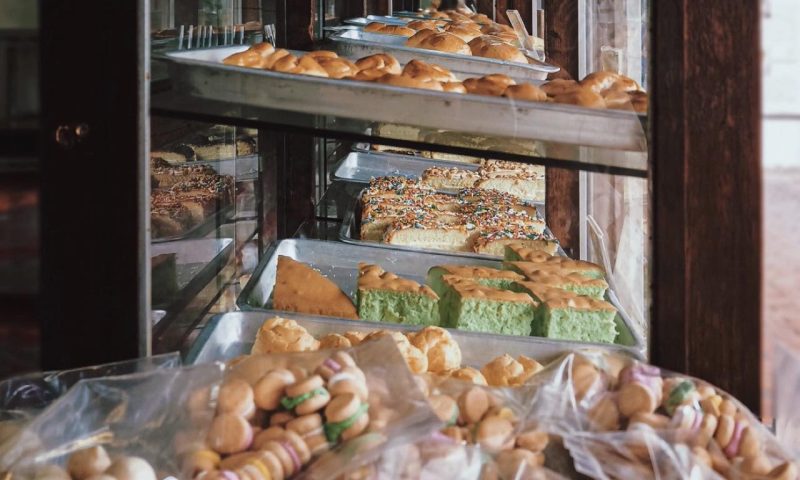
Most bakeries now price soft buns and cake slices at S$2 or more. But Love Confectionery in Bukit Timah is keeping things simple.

This old school heartland bakery still offers custard buns, cream puffs, pandan cake slices, and sugar coated doughnuts for S$1 or even under. It is not just affordable. It is also packed with nostalgia.

Image Credits: facebook.com/loveconfectionerysg

#2: ICE CREAM FOR $0.50

Mixue sells its Signature King Cone for S$1.50. You get soft serve in a big crispy cone and according to one Redditor, it is a much better deal that the McD’s. Someone wrote, “Better than McDonald’s by far in my opinion. You get more for what you pay.”

Image Credits: unsplash.com

For a budget option, you can always grab the soy ice cream at IKEA for just 50 cents. Still one of the cheapest cool treats in town.

#3: IKEA’S S$1 HOTDOG

IKEA’s hot dog is something of a local icon. Despite inflation, it still sells for just S$1. You can choose the classic meat version or a plant based option made with kale, lentils, and quinoa. The veggie dog is available at IKEA Tampines and IKEA Jurong.

One Redditor shared, “This was how I used to bribe my son to behave in IKEA. He knew he would get a hot dog at the end.”

#4: DOLLAR DEALS AT 7-11

From now until 15 July 2025, 7-Eleven Singapore is running its rotating S$1 deals and there is a huge list of drinks and snacks on offer.

Items include Milo Gao, Pokka Lychee Tea, Fuze Jasmine Tea, Eurocake mini rolls, Want Want crackers, Nestlé Milo energy bars, and more. All at just a dollar. Do note that these are available only at selected stores and while stocks last.

#5: INSTANT NOODLES FOR JUST OVER S$1

They are no longer exactly one dollar, but Maggi Hot Cup Curry is only S$1.21 and Indomie Mi Goreng Cup goes for S$1.22 at FairPrice.

Image Credits: unsplash.com

If you are in need of a quick and comforting bite, these cup noodles deliver that warm familiar taste.

IN A NUTSHELL

You might not get a full meal for one dollar anymore, but if you look around, you can still find sweet deals for that price or just a little more. Ice cream, drinks, and hot dogs can still be within reach if you know where to go.

Got more S$1 finds? Let us know before they vanish too!

Read More...