
How To Finally Stop Spending

Unfortunately waving a wand will not help you to cut down your spending. Instead, here are some practical tips that you may start with!

#1: THE 30-DAY RULE

When you spot a tempting item from the mall, wait until 30 days before purchasing it. Write it down on a list of pending items. When a month has passed, cross out the items that you are willing to skip on. The only exceptions to this rule are groceries and other fixed expenses.

#2: WORKING HARD IS NOT AN EXCUSE

How many times have you purchased an item that you “deserve”? Yes! You may be using your hard-earned money to enjoy finer things in life. However, hard work should not be an excuse to spend. Income does not automatically increase as your workload expands! Your budget must outweigh your work stress.

#3: PLASTIC IS NOT FANTASTIC

Leaving your credit cards at home is one of the easiest ways to stop spending. Equip yourself with the amount of cash that you are willing to spend in a grocery store or a shopping centre. You can only bring your card with you if you are planning to pay off an item through an installment plan.
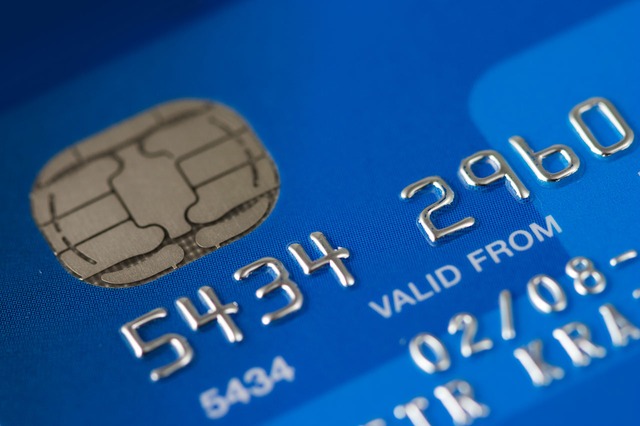
Image Credits: pixabay.com

Leaving these plastics behind will help you avoid the temptation of impulse purchases.

#4: SETTING SHORT-TERM FINANCIAL GOALS

As you alter your spending habits, setting realistic short-term financial goals is a great way to stay motivated. Having these goals will remind you of the reasons why you are making several sacrifices at the moment. It is important to be specific when it comes to thse goals as it will be easier to aim for. Instead of saying that you want to decrease your coffee budget, you may say that you will “decrease your monthly coffee costs from S$200 to S$100”.

#5: THE OPPORTUNITY COST

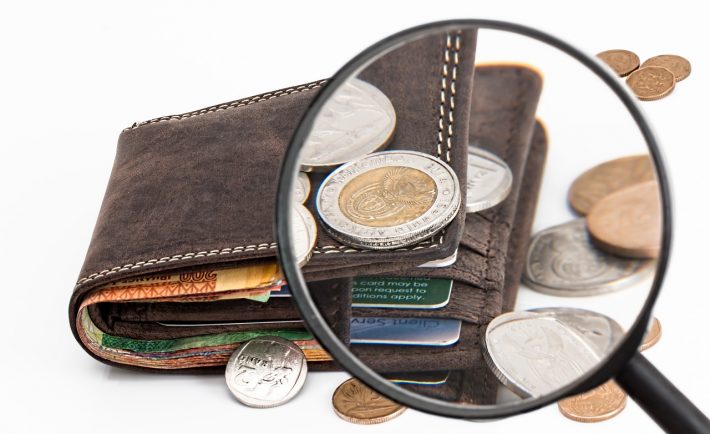
Lastly, re-frame your thoughts by looking at the brighter side of your goals. The technical term for this is opportunity cost. Opportunity cost is defined as “the loss of potential gain from other alternatives when one alternative is chosen.”

Image Credits: pixabay.com


Saving money and cutting back will give you an opportunity to reach your goals!
Sources: 1 & 2

Read More...

Budgeting 101: Taking Over Your Financial Life

Have you created a budget in the past? Were you able to firmly follow through? What were the obstacles that you have experienced?

It comes as no surprise that budgeting is no easy feat! It is a strategic task that encourages cutting down of your expenses. Furthermore, you must find a way to still enjoy the money you earn. Striking a balance between your needs and wants can be stressful for some.

So, where must you start?

Start accept your accountability over the choices you make. Every action has an equal reaction towards your wealth. Regularly subscribing to designer shoes can take a toll on your income. While, decreasing your trips to the coffee shop can help save cash. With this form of thinking, you will practice financial self-awareness.

Financial self-awareness comes the observation of thoughts, feelings, and actions surrounding money. For instance, you will be more aware of temptations such as the “cheap” 24-hour marketplaces.

TYPES OF BUDGETING

A. Traditional

A Traditional Budget maps out a plan for how you expect to spend your money. It indicates the amount of money you allot during a specific period of time for a specific financial obligation. How much will you set aside for rent, entertainment, or insurance?

B. 50/20/30 Rule

The 50/20/30 rule is a proportional guideline that helps you establish good habits through the alignment of saving goals. 50% of your income shall go to essentials, 20% of your income shall go to savings, and 30% of your income will be spent on the unnecessary personal expenses.

C. Envelope Method

Envelope method is a simple way introduce you to budgeting. Begin by track the last month’s spending. Highlight your fixed and variable expenses. Then, devise a plan that will consist of different categories. Segregate each category into various envelopes. You must strictly follow through the allocation of each envelope. Do not get money elsewhere.

D. Event-based Budgeting

The last type of budgeting revolves the life events such as weddings, funerals, vacations, and special holidays. Tweak your budget in accordance to these events.

Image Credits: pixabay.com

Budgeting lies at the foundation of each and every financial plan. It is about understanding how much money you have, where it goes, and how to allocate those funds. Best of luck! 🙂

Sources: 1 &2

Read More...

4 Cardinal Rules Of Budgeting

Managing your finances is not a piece of cake! Mixing motivation, perseverance, and careful planning is needed to keep everything in place. This is why people look for inspiration in books and online articles. With the abundance of resources and information available out there, you can build a massive library.

As you select certain strategies and ideals to follow, here are some of the personal finance rules that you must consider.

#1: A LITTLE GOES A LONG WAY

Start embodying the mindset that small actions eventually adds up. This slow yet steady progress is called Incremental Growth. You will notice that incremental changes pay off in the long run as you track your cash flow. For instance, cutting down on alcoholic beverages can make a significant difference at the end of the month.

#2: PAY YOURSELF FIRST

As a habitué of finance websites, you may have encountered this phrase: “pay yourself first”. This popular statement refers to routing your contributions from each paycheck that you received (e.g., automating your retirement contributions). Doing so entails that you mentally established “saving” as a priority. You are more important than any expense categories.

Most people spend their money first and save the extra later on. But, why must you turn the tables around? For starters, keeping a portion of your money reduces the temptation of overspending and improves your chances during emergency situations.

#3: FOCUS ON THE DEBT

It is challenging to save if you have a mountain of debt to hike. Before you start creating a realistic budget, you shall set a strategic plan to resolve your outstanding debt. Any lingering credit may ruin your financial goals. The sooner that you diminish the negative, the more time you will have for the positive.

#4: YOU ARE THE CAPTAIN OF YOUR OWN SHIP

You are in control of your wealth and not the other way around. Perceiving yourself as the “captain or master” helps to instill accountability over your spending habits. With financial awareness, it is harder to let money flush down the drain.


Image Credits: pixabay.com

Image Credits: pixabay.com

Sources: 1, 2, & 3

Read More...

How To Avoid Spending All Your Paycheck Right Away

When you are working around the clock, the end of June signifies one important thing. And that is? Payday is fast approaching! You can either stretch every cent you receive or waste it all in one day. The choice is yours.

A particular story comes into my mind when I dwell upon this topic. You see, I decided to reward myself after receiving my paycheck for the month of May. Do not worry about finances just yet! I allocated 10-15% of my salary for leisure and relaxation purposes.

I waited until the next day to stroll in the nearby shopping centre to avoid the massive crowd. I chanced upon a relatively vacant fitting room with merely 5 people (including the staff). With no intention of eavesdropping, I listened to the playful exchange between the two saleswomen. I was trying several looks on and it took me a while to change into them. To my surprise, the playful exchange got really deep! One lady elaborated how she blew her salary right away. She loaned the money to her family member. Not to mention, she partied the other night with some friends. She was upset to be trapped in a financial dilemma. Who wouldn’t be?

Image Credits: pixabay.com

Image Credits: pixabay.com

Yes! It is not nice to eavesdrop on someone even by accident (sorry about that), but her situation can enlighten you. It made me realize that some people are struggling to control their money after receiving it. If you are caught in this situation, here are some things that you can do to turn things around.

TRY STICKING TO A BUDGET

This may sound utterly obvious and totally uncool, but you need to craft a realistic budget and stick to it. Planning how you will spend your paycheck allows you to prioritize your bills and schedule other expenses. It lets you account for your hard-earned money. If you cannot establish a budget with a paper, you can always use a free budgeting app.

Weigh between your needs and wants. While it is cool to have the latest gadget in the market, it may not be necessary. Stick to your budget! Remember that it is better to own items than to owe them.

GET YOUR PRIORITIES STRAIGHT

How many times have you heard the advice to “keep your priorities in place”? Do you follow it yourself? Keeping your priorities intact allows you to secure your financial future. One of my top priorities is growing my savings. I am gradually fulfilling this by accounting for every dollar I make.

Accounting for every dollar you earn takes budgeting to the next level! It assigns a label for every chunk you make. I found that “Envelope Budgeting” was helpful for this task. With envelope budgeting, I can easily allocate a specific percentage for my expense categories. It is alright to place a responsible amount for splurging. You deserve it!

AUTOMATE YOUR SAVINGS

Did you know that it is possible to sock away your income as soon as you get it? You can achieve this by automatically depositing your salary into your savings account. Award-winning finance journalist Jean Chatzky is an advocate of this. “Automating savings is the first thing everyone should do with their paychecks,” she said. She went on by saying that you cannot spend the money you do not see. I certainly agree! It is easier to save money without the tangible temptations.

In Singapore, there are institutions which allow you to automate your money such as the POSB eMySavings Account. This automatic monthly savings account allows you to keep S$50 to S$3,000 during each “savings date”. You are free to choose a schedule that works best for you.

Image Credits: pixabay.com

Image Credits: pixabay.com

From building an emergency fund to gaining self-control, there are other ways to avoid spending all your paycheck immediately. You just have to be creative!

Sources: 1 & 2

Read More...

Bad Money Habits That You Need To Drop When In A Relationship

Maintaining a healthy relationship with your significant other entails stabilizing the disposition of your finances.

Read thru this article to know how bad monetary habits can potentially harm your relationship. Furthermore, you will get an idea on how to conquer these habits.

#1: AVOIDING FINANCIAL CONVERSATIONS

A healthy long-term relationship is built on trust and transparency. As things get serious with your partner and marriage becomes a viable option, consider discussing about finances. You need to resolve your potential spouse’s money problems before it is too late.

Fully disclosing about your financial circumstance to your partner can be uncomfortable at first but, you have to at least try. Tell your partner about your outstanding debts, financial obligations, income sources, and other assets. This will make you empathize with each other more. From time to time, do not forget to check if your goals are in lined with each other.

#2: STICKING TO YOUR OUTDATED BUDGET

Improve your financial state this 2017 by establishing a robust budget. The budget that you created when you were single may be efficient, but you are now budgeting for two. Being in a committed relationship means that you have to take on more expenses with more resources. Begin by studying each other’s spending habits. Then, trim down unnecessary expenses after compromising. You may also adapt the budgeting techniques of your partner.

I, for one, allocate a small portion of my income to date nights. Let us face it! We belong in a generation where it is acceptable for women to split the tabs with their dates. Give this new perspective a chance as a loving relationship is a two-way street.

#3: LOANING YOUR VACATIONS

I know how much travelling can ease the stress of a hard working Singaporean. However, consistently deducting your romantic vacations on your credit card can take a toll on your wealth. Spending money that you do not have is a dangerous habit to possess. Imagine the arguments that boil down due to the frustration of not being able to meet up with the outstanding debts. This is why you must cultivate a travel fund in advance.

#4: SKIPPING THE BUDGET FOR GIFTS

According to the internationally-acclaimed book by Gary Chapman, there are five ways to express your love to your partner. These five ways include gift giving, quality time, words of affirmation, physical touch, and acts of service. Understanding your partner’s love language will help you to strengthen your bond.

I am only going to focus on one love language – the gift giving. For people who place importance on the tangible symbols of affection, it is important to remember your special dates. You are bound to celebrate various occasions together such as anniversaries and birthdays. Not to mention, Valentine’s Day is coming up soon. Is your wallet ready?

It is a good idea to allocate a budget for gifts before buying one. Otherwise, you have to face budget trimming and other financial woes.

#5: KEEPING A MONETARY SECRET

Secrecy is rarely beneficial to a relationship. Research showed that 1 in 10 people considered breaking up with their partners upon the discovery of a financial secret. Millennial participants were even less forgiving as reaped a figure of 1 in 5. These numbers convey how secrets can strain a “loving” relationship.

Image Credits: pixabay.com

Image Credits: pixabay.com

The impact of keeping a monetary secret depends on the couple’s income, the item purchased, and the frequency of purchases. Another significant monetary secret is having a stash for escaping the relationship. Having undisclosed assets and secret bank accounts can affect the level of trust given by your partner. The primary source of damage is not money on its own, but it is the unpleasant habit of concealing the truth.

Sources: 1 & 2

Read More...