
Singapore’s Homegrown Brands That Found Global Fame

The little red dot may be small, but its influence stretches far beyond its borders. For decades, Singapore has quietly been producing brands that not only define local identity but also win admirers overseas. These are names you have likely seen on Orchard Road or in your neighborhood mall, but what makes them remarkable is how they have grown from homegrown concepts into international players.

One evening, as I scrolled through Instagram, I stumbled upon a vintage listing of a Risis brooch from the 1980s. At first, I assumed Risis was a newcomer that had sprung up after the pandemic. To my surprise, the brand has been in operation since 1976, when it debuted at TANGS Orchard and sold thousands of its signature gold-plated orchid brooches within days. Risis even captured royal attention, presenting its orchids to Princess of Wales Diana in 1982. Personally, its delicate Vanda Limbata and Doritaenopsis Summer Red orchid brooch pendants (i.e., both plated in 24-karat gold and priced at S$140), are the ones I gravitate to the most.

Another name that resonates strongly with a younger crowd is Beyond The Vines. Founded in 2015 by husband-and-wife duo Daniel Chew and Rebecca Ting, the label began as a womenswear brand before evolving into a lifestyle powerhouse. Its Dumpling Bags, which start at S$69, became viral sensations for being practical, stylish, and surprisingly collectible. The philosophy behind the brand is simple but powerful: to make good design “accessible to all”. That vision has helped it expand into markets like Thailand, Indonesia, the Philippines, and Australia, proving that thoughtful design travels well across borders.
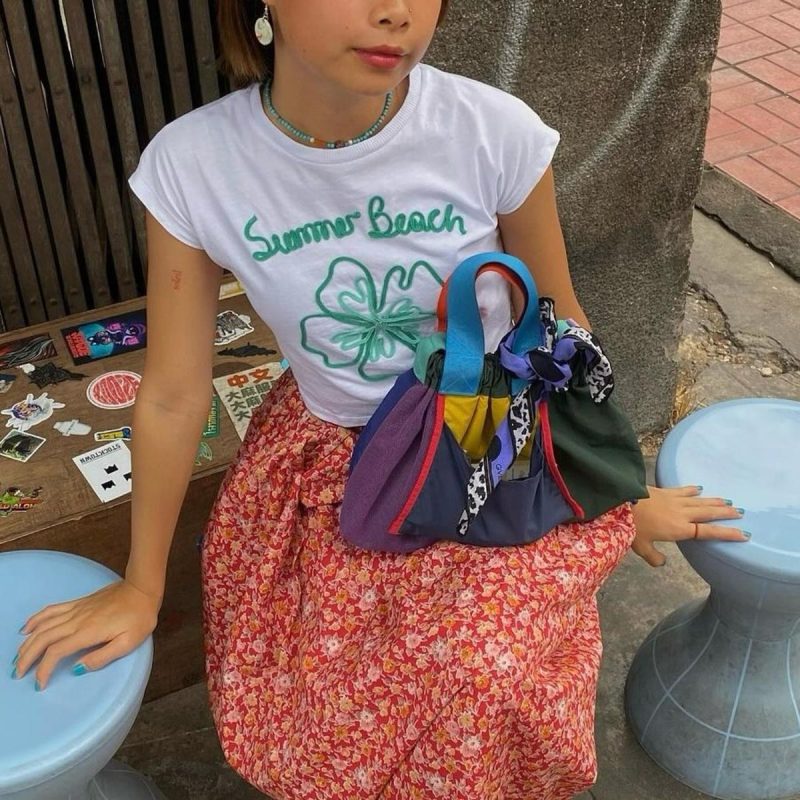
Image Credits: instagram.com/beyondthevines

Of course, no conversation about Singaporean exports would be complete without Tiger Beer. First brewed in 1932, Tiger has grown into a symbol of bold Asian flavor, now enjoyed in more than 50 countries. Brewed under Asia Pacific Breweries, the lager is celebrated for its full-bodied taste and rigorous brewing process. At under S$4 a bottle in local supermarkets, it remains an everyday favorite at home while standing as a premium Asian beer abroad.

Charles and Keith is another brand that transformed humble beginnings into global recognition. Established in 1996 by brothers Charles and Keith Wong, the label began as a modest shoe store at Amara Shopping Centre. Fast forward to today, and the brand is a global fashion force, with a presence from Tokyo to Mexico City. Known for staying ahead of trends while keeping prices accessible, the brand continues to draw in customers with bestselling bags, sandals, and accessories. Lucky for you! Bestsellers like the Koa Square Push-Lock Shoulder Bag in pink (S$34.90), Chain-Strap Pointed-Toe Slingback Flats in black (S$41.90), Samala Triple-Strap Sandals (S$48.90), and the Pony Hair & Leather Ring-Handle Bag (S$135.20) are currently on sale on their website.

Image Credits: facebook.com/charleskeithofficial

And then there is TWG Tea, a name that has come to embody luxury in a cup. Founded in 2008, the brand is unmistakable with its iconic yellow packaging and exquisite presentation. Offering more than a thousand varieties of tea, along with patisseries and fine dining, TWG has carved out a niche in markets as diverse as Japan, France, the United Kingdom, and the United Arab Emirates. It is an experience as much as it is a beverage, one that has positioned Singapore as a global tastemaker in the tea industry.

Even everyday staples have found their way abroad. BreadTalk, the bakery that many Singaporeans consider a fixture of daily life, has expanded across Asia with its famous floss bun and inventive pastries. With dozens of outlets in Singapore and a growing footprint in markets like Thailand and Myanmar, BreadTalk proves that comfort food transcends cultural borders.

Image Credits: facebook.com/breadtalksingapore

What ties all these brands together is not just their Singaporean origin but their ability to balance authenticity with global appeal. From the timeless elegance of a gold-plated orchid to the everyday joy of a floss bun, each brand carries a story of local pride and global ambition. Which brand captures your heart the most?

Sources: 1,2, & 3

Read More...

All the Fun Things to Do in Singapore This Weekend

Singapore is buzzing this October with experiences that blend play, culture, and wonder. From Japanese adventures to pastel pop fantasies and prehistoric giants, the city is alive with color and curiosity.

At Guoco Tower, The Japan Rail Fair brings a taste of travel magic with its Stamp Rally inspired by Japan’s famous station stamps. Visitors can collect 23 beautifully designed stamps while exploring over 20 booths that showcase the charm of prefectures such as Yamaguchi, Nagano and Fukuoka. Each booth offers a slice of Japanese culture from tourism highlights to regional snacks. Completing the rally earns you a shot at winning round trip tickets on Japan Airlines and AirJapan, JR East Passes and rail inspired souvenirs. The event runs from 9 to 11 October from 11am to 8pm and entry is free.

Image Credits: facebook.com/JAPANRAILCAFE

For something colossal, Science Centre Singapore presents Dinosaurs | Extinctions | Us in collaboration with the Lee Kong Chian Natural History Museum. This 3,000 square meter exhibition invites visitors to stand beneath a 40 metre cast of the Patagotitan mayorum, one of the largest creatures to have ever lived. The showcase features 33 fossils and 60 full scale models tracing 400 million years of history. Beyond the spectacle, the exhibition reflects on how past extinctions connect with the environmental challenges humanity faces today. Tickets start from S$25.90 and come with a free dinosaur plush toy while stocks last.

Over at Bugis Plus, POP LAND Pop-Up makes its overseas debut and transforms the atrium into a pastel wonderland. The pop-up store celebrates the irresistibly cute world of MOKOKO with exclusive merchandise, whimsical photo corners and a joyful dose of kawaii fun. It is the perfect stop for those who love collectibles and crave a feel good escape in the middle of the city. The store is open from 15 to 26 October from 10am to 9.30pm. While it is not happening this weekend, consider this an early heads up as the event tends to fill up fast and registration slots often get snapped up quickly.

Image Credits: facebook.com/popmartsg

For a night of theatre and thrill, Cirque Alice takes over the Sands Theatre at Marina Bay Sands. The show reimagines Lewis Carroll’s beloved tale with breathtaking acrobatics, puppetry, dance and contemporary music. It is a world where Alice tumbles through wonder and chaos guided by performers who twist, fly and balance between fantasy and artistry. Tickets start from S$78 and performances run from 9 to 26 October.

Image Credits: facebook.com/cirquealice

If you are chasing nostalgia, art or awe, Singapore offers something extraordinary this October. Step out and let a little wonder find you and your loved ones!

Sources:1,2, & 3


Read More...

Is Salary Worth the Stress: Unfair Workplaces Drain Both Employees and Profits

This week, a close friend sat across from me with tears in his eyes. He had worked hard, delivered what was asked of him, and yet found himself stripped of his salary because of a supervisor’s unfair judgment. Instead of accountability, he was met with defensiveness. Instead of support, he was left feeling powerless. As an HR consultant, I could guide him through the process, but I could not erase the deeper wound. The deep cuts due to the feeling that in his company, people did not matter.

His question to me has not left my mind: “Is the salary still worth it if you’re treated unfairly?”

HIDDEN TAX OF HARASSMENT

We often treat money as the ultimate motivator. Yet no paycheck is large enough to outweigh the damage of working in an environment where harassment, bias, or hostility festers. Economists call this the hidden tax of toxic workplaces. It drains energy, stifles creativity, and ultimately eats away at profitability. Employees under constant stress eventually disengage. Turnover rises. Recruitment costs balloon.

Gallup’s State of the Global Workplace report puts a staggering price tag on it. Disengagement and toxic cultures cost the global economy more than US$8.8 trillion (S$11.3 trillion) every year. That figure is not abstract. It shows up in weaker quarterly earnings, missed growth targets, and declining valuations.

Image Credits: unsplash.com

LEGAL AND FINANCIAL SHIFTS

Singapore has been moving decisively to confront this challenge. The Ministry of Manpower (MOM) defines workplace harassment as behavior that causes alarm, distress, or intimidation, from threatening language to cyberbullying, stalking, and sexual harassment. This is not only an HR problem. It is a matter of compliance, governance, and risk management.

The Protection from Harassment Act (POHA), in place since 2014, already gave victims civil and criminal remedies whether harassment occurred in person or online. The new Workplace Fairness Act (WFA) 2024 goes further by outlawing discrimination and requiring employers to build grievance-handling systems. Unlike earlier guidelines, this law has teeth. It allows enforcement action now and private legal claims in the near future.

For businesses, the message is clear: failure to act fairly is no longer just a reputational stain. It can become a balance sheet liability.

WHY INVESTORS SHOULD PAY ATTENTION

Investors understand risk, and workplace culture is increasingly recognized as a material one. A company that tolerates harassment, drives attrition, or attracts lawsuits is a company that risks underperforming peers. Today’s ESG-conscious funds, which control trillions in assets, specifically screen for social and governance issues. When a company fails its employees, it often fails the very metrics that dictate whether capital flows in or out.

Workplace toxicity does not just harm people. It weakens profitability. It shows up in mounting legal expenses, lower productivity, shrinking margins, and weaker shareholder returns. It can depress valuations, complicate mergers, and even close off access to ESG-linked financing.

McKinsey research makes the financial case unmistakable. Companies that prioritize fairness and inclusion outperform their peers by as much as 25% in profitability. Fairness is not a soft, optional value. It is a measurable driver of enterprise value.

A NEW DEFINITION OF VALUE

When my friend asked if his paycheck was worth the humiliation, what he was really asking about was value. A salary can cover rent, groceries, and bills. But it cannot compensate for lost dignity or the fear of speaking up. For employers, the deeper question is whether they can afford the risks of ignoring fairness. For investors, the real issue is whether they should back companies that allow toxic cultures to persist.

The truth is becoming clearer. The companies that will last are the ones that treat fairness not as charity but as strategy. Workplaces that respect employees protect themselves from legal threats, secure investor confidence, and strengthen long-term valuation. They build resilience, loyalty, and brand equity that money alone cannot buy.

Image Credits: unsplash.com

At the end of the day, the companies worth working for (and worth investing in) are not the ones that simply pay the most. They are the ones that value people the most.

Sources: 1,2,3 & 4


Read More...

Russell Dominates Singapore GP, McLaren Seals Constructors’ Title

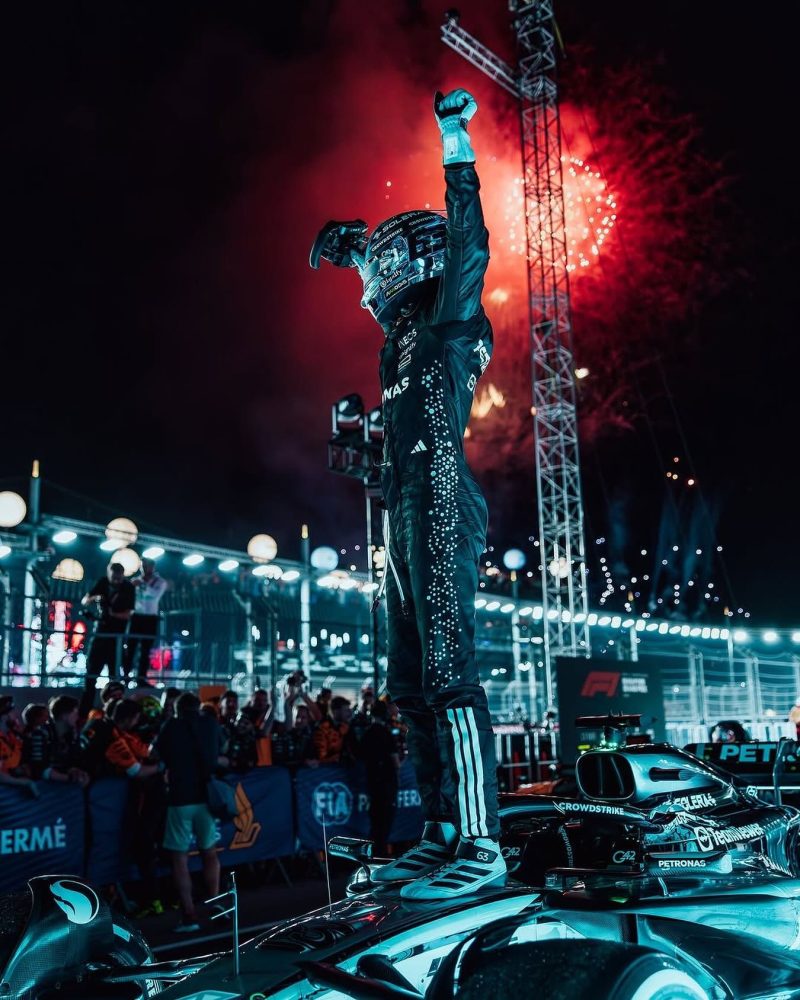
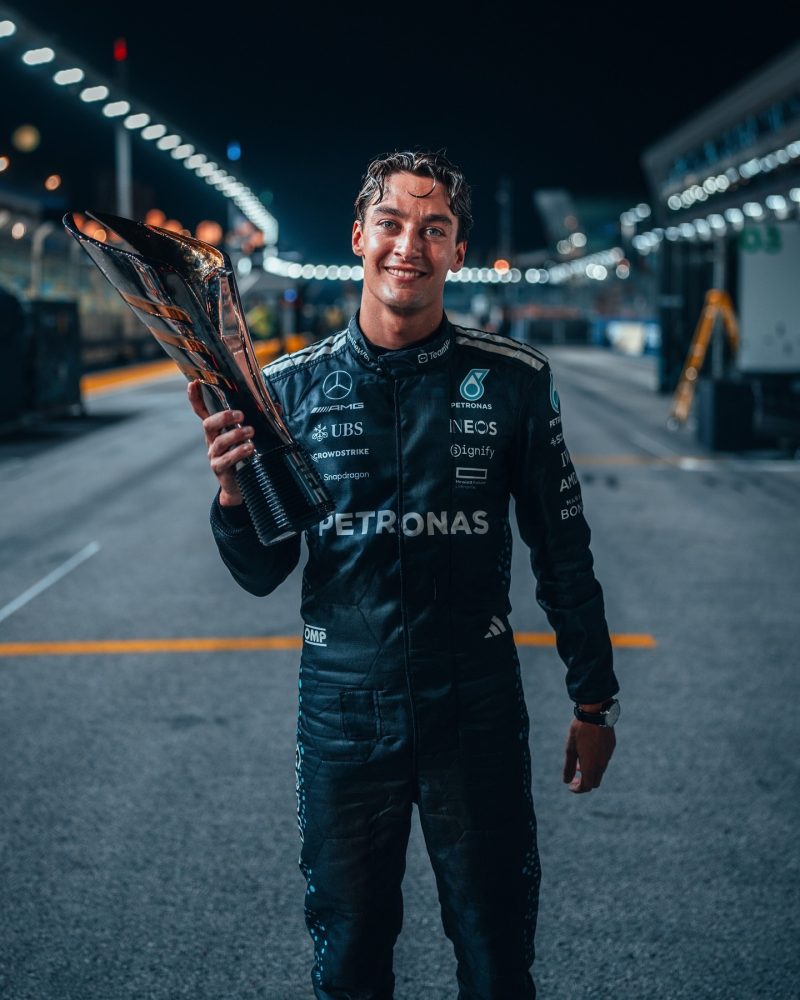
George Russell owned the night in Marina Bay, cruising to victory at the Singapore Grand Prix and marking his second win of the season. The 26-year-old Briton led from lights out to chequered flag, untroubled by the chaos that unfolded behind him.

Image Credits: MercedesAMGF1/F1NightRace/OfficialGR63 via facebook.com

The podium fight was a different story. Red Bull’s Max Verstappen held off a late surge from McLaren’s Lando Norris to finish second, while Norris and teammate Oscar Piastri collected enough points to secure McLaren’s constructors’ championship (i.e., with six races still left in the calendar). It is the team’s second consecutive title, cementing their return as Formula 1’s most consistent force.

For Singapore fans, the race delivered everything: a damp street circuit from pre-race rain, a fierce intra-team battle between Norris and Piastri, and the kind of strategic drama that has long defined this Grand Prix.

The flashpoint came early. Piastri, starting third, was clipped by Norris at Turn 1 as the Briton surged past Kimi Antonelli and his own teammate. The contact damaged Norris’s front wing and pushed Piastri back down the order, where a slow five-second pit stop later compounded his struggles.

Up front, Russell kept his cool while Verstappen wrestled with a car he admitted was “difficult to drive.” Even so, the Dutchman clung on, forcing Norris to settle for third after a late push in the final ten laps. Piastri crossed the line fourth, enough to deliver McLaren the points cushion that sealed the title.

Image Credits: MercedesAMGF1/F1NightRace/OfficialGR63 via facebook.com

“This feels amazing, especially after what happened a couple of years ago,” Russell said after the race. “That was a missed opportunity, but we more than made up for it today. The team was incredible all weekend. We don’t know where this performance came from, but I couldn’t be happier.”

Image Credits: MercedesAMGF1/F1NightRace/OfficialGR63 via facebook.com

With the constructors’ crown decided, the spotlight shifts to the drivers’ championship. McLaren’s Oscar Piastri leads on 336 points, just 22 ahead of teammate Norris. Verstappen sits third on 273, with Russell not far behind at 237. Six races remain, starting with the United States Grand Prix on October 17-19. In Austin, the fight for individual glory promises to be just as intense.

Image Credits: MercedesAMGF1/F1NightRace/OfficialGR63 via facebook.com

Trivia! Last 5 Singapore GP Winners:
2024 – Lando Norris (McLaren)
2023 – Carlos Sainz (Ferrari)
2022 – Sergio Perez (Red Bull)
2019 – Sebastian Vettel (Ferrari)
2018 – Lewis Hamilton (Mercedes)

Sources: 1,2, & 3

Read More...

Singapore Bans Hiring of Foreign Creatives Without Work Pass

Singapore’s creative industry has long thrived on weddings, product launches, and lifestyle campaigns that demand skilled photographers, videographers, and make-up artists. But companies are now being warned: foreign freelancers without valid work passes are no longer allowed to take on such jobs.

The Visual, Audio, Creative Content Professionals Association (Vicpa) and the Ministry of Manpower (MOM) issued a joint advisory last month reminding businesses that foreigners on tourist or student visas cannot provide creative services in Singapore. Companies are equally prohibited from engaging or promoting them.

The move comes after MOM received reports of wedding and event firms hiring overseas freelancers as a cheaper option (e.g., make-up artists, on-site painters, photographers, or graphic artists). While often advertised on social media as budget-friendly, such arrangements breach the Employment of Foreign Manpower Act. Offenders face fines of up to S$20,000, jail terms of up to two years, or both. They may also be permanently banned from working in Singapore.

Image Credits: unsplash.com

For local creatives, this is seen as overdue protection. Vicpa’s executive secretary, Jagathishwaran Rajo, said the association has heard growing complaints from professionals who feel undercut by foreign freelancers working without permits. “Our objective is not to stifle competition, but to uphold a fair and level playing field where Singapore’s creative talent is respected, valued and supported,” he said.

The rise of platforms such as Instagram and TikTok has made the issue more urgent as overseas freelancers can now market directly to clients here. In response, Vicpa, an affiliate of the NTUC, has been stepping up monitoring of these channels, providing tip-offs to MOM and running awareness efforts to encourage ethical hiring practices.

For businesses, short-term savings from hiring unlicensed freelancers can quickly turn into heavy fines and strained ties with Singapore’s local creative workforce.

Image Credits: unsplash.com

As enforcement tightens, the bigger question is whether these measures will strengthen the long-term sustainability of the creative industry, or create a bottleneck that limits global collaboration. What is certain is that the rules of engagement in Singapore’s creative economy have changed, and both companies and freelancers must now play by the book.

Sources: 1 & 2


Read More...